
Virtual or Non-Lockable Property Investment in India
In the last few years, the Indian commercial real estate market has started offering some new investment formats. One concept that has gained attention among investors is virtual or non-lockable commercial property investment.
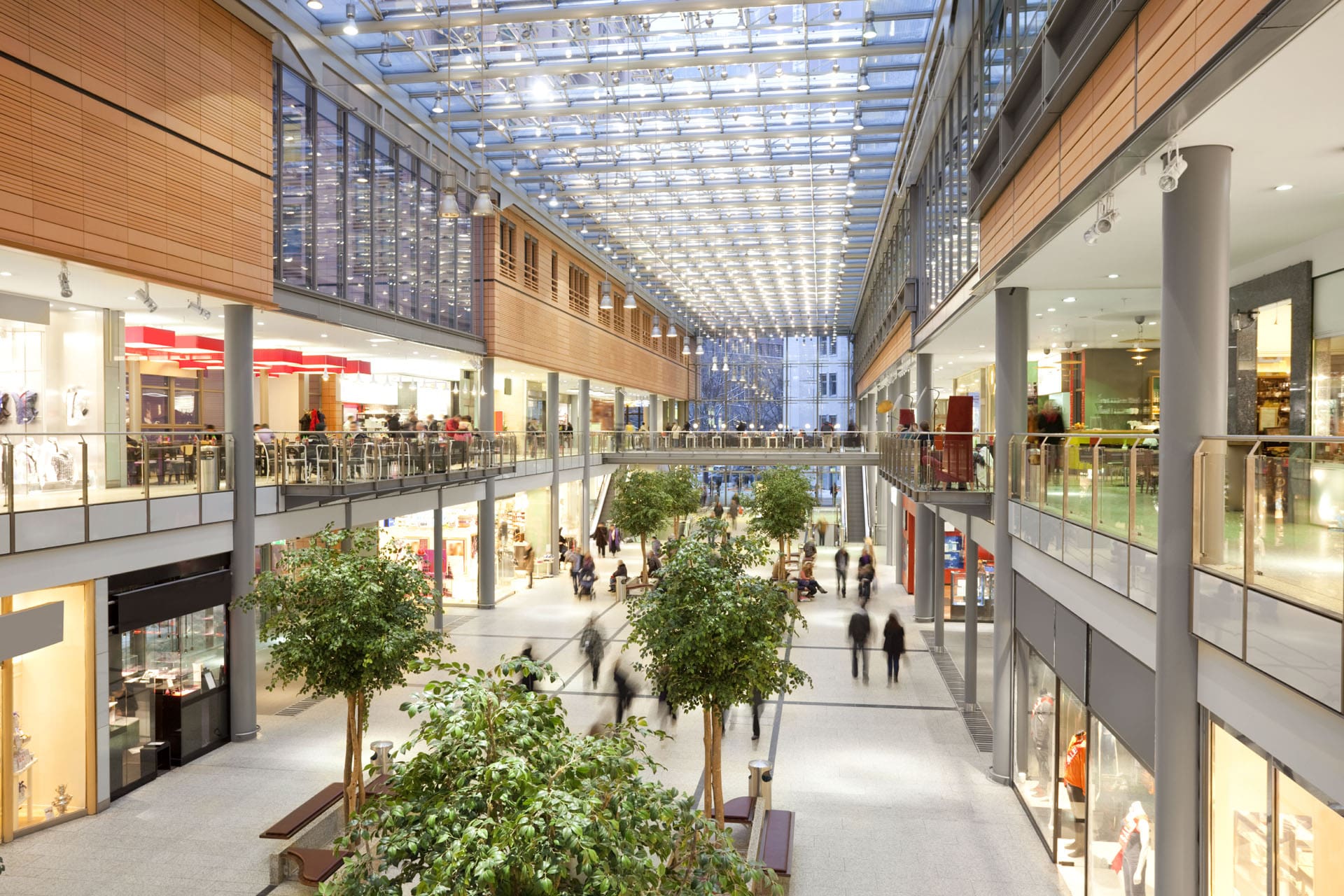
You may have seen this option in projects that sell food court units, retail spaces, or shared commercial areas inside malls, offices, co working spaces and mixed-use developments.
In this option, instead of buying a traditional shop that investors can lock and manage themselves, they purchase a share in a larger commercial space that is managed by a builder or a management company.
For many investors, this model looks appealing and attractive because it offers:
- Lower entry investment requirement
- Long-term passive rental income
- Minimal involvement in day-to-day operations
However, it also raises several important questions.
- What exactly is virtual property in commercial real estate?
- How does non-lockable property work in India?
- Is it a safe investment?
This guide explains this concept in simple terms so that investors can evaluate whether virtual commercial property investment in India fits their long-term investment strategy.
What Is Virtual or Non-Lockable Property in Commercial Real Estate?
A virtual or non-lockable property refers to an investment in commercial real estate where the buyer owns a share in a commercial space rather than a physically demarcated unit. In traditional commercial real estate, you typically buy a lockable shop, office, or showroom. That unit belongs exclusively to you, and you can directly lease it to tenants or run your own business.
In a non-lockable property investment, the structure works differently. Instead of individual shops (lockable space), developers divide common commercial areas into investment units or shares. Investors earn rental income based on their ownership percentage in that shared commercial space.
These types of investments are often found in spaces such as:
- Food courts
- Multiplex
- Retail spaces
- Co-working space
- Mall kiosks
- Office spaces
Since these areas function as a single operational unit, they cannot be physically locked by individual investors, hence the term non-lockable property.
Read: Food Court Investment: Rental Potential, Risks & ROI

How Virtual or Non-Lockable Property Investment Works in India
To understand how virtual property investment works in India, let’s look at the typical structure used by developers.
- A developer builds a commercial project such as a mall, a retail complex or an office tower.
- Certain areas like food courts or retail space are divided into smaller investment shares like 40 sq ft or 100 sq ft.
- Investors purchase these small units instead of individual shops.
- The developer or a professional leasing team manages tenant operations.
- Rental income is distributed among investors based on their ownership share.
Some developers also offer assured leased guarantee models or assured rental returns during the early operational phase. However, investors should carefully examine lease agreements and project fundamentals before investing.
Caparison: Virtual vs Non-Lockable Property
One of the most common questions investors ask is the difference between traditional shops and non-lockable investment units. The distinction mainly comes down to ownership control and management structure.
| Feature | Lockable Commercial Property | Non-Lockable / Virtual Property |
|---|---|---|
| Physical possession | Yes | No |
| Tenant selection | Owner decides | Managed by developer |
| Property control | Full control | Shared control |
| Investment amount | Higher | Lower entry investment |
| Liquidity | Depends on location | Often developer-controlled resale |
| Management responsibility | Owner manages | Developer manages |
Lockable properties provide greater control and flexibility, while virtual property investments focus more on passive income with professional management.
Real Examples of Virtual or Non-Lockable Property Investment
Several commercial projects across NCR and other Indian cities have introduced this investment format. Typical examples include food court investment zones, shared retail space, and entertainment hubs inside malls.
Some well-known projects where such models have appeared include:
- The Omaxe State, Dwarka
- M3M The Line, Sector 72 Noida
- Bhutani City Center 32, Noida
- Raheja The Delhi Mall, Central Delhi
- Saya South X Greater Noida West
- Bhutani Cyberthum, Noida
- IRIS Trehan Broadway, Gurgaon
These projects usually attract investors looking for commercial property investment in India with smaller ticket sizes. However, each project has its own investment structure and leasing model, so careful evaluation is essential.
Advantages of Virtual or Non-Lockable Property Investment in India
Lower Investment Requirement
One of the key advantages of virtual or non-lockable investment in India is the relatively low entry cost. Unlike traditional commercial shops in prime locations, which often require a large capital investment, virtual commercial property investments can sometimes start from around ₹25 – 30 lakh, with some opportunities available from approximately ₹15 lakh*, making them more accessible for many investors.
Passive Rental Income
Because the developer manages tenant operations, investors do not need to deal with:
- Tenant search
- Lease negotiations
- Furnishing
- Maintenance issues
This makes virtual property investments appealing for those investors seeking passive rental income from commercial real estate without any hassle.
Portfolio Diversification
Investors who already hold residential property often look for ways to diversify their portfolios. Virtual commercial investments allow participation in the commercial property sector without committing large amount of capital and participating in day-to-day operations.
Professionally Managed Spaces
Commercial spaces such as food courts and retail space require proper coordinated management and maintenance. Professional property management companies often handle:
- Tenant mix planning
- Operational maintenance
- Marketing and footfall generation

Rental Yield Calculation Example
Many investors prefer food court investment in India based on projected rental yields. Consider a simple example.
- Investment Amount: ₹52,00,000
- Expected Rental Yield: 7%
- Annual Income: ₹52,00,000 × 7% = ₹3,64,000
- Monthly Income: ₹3,64,000 ÷ 12 = ₹30,333
Actual rental income may vary depending on:
- Tenant occupancy
- Project performance
- Lease agreements
- Market conditions
Investors should always treat projected returns as indicative estimates rather than guaranteed income.
Know More Before You Invest – Connect Now!
Risks of Virtual or Non-Lockable Commercial Property Investment
Like any investment, virtual property also involves some risks. Understanding these risks helps investors make more informed decisions before investing.
Limited Operational Control
Investors cannot independently lease or manage the property. All operational decisions are handled by the developer or management company.
Dependence on Project Performance
Rental income always depends on the commercial success of the project. If tenant occupancy drops or footfall declines, rental returns may also decrease.
Resale Liquidity
This is the major risk if you are buying virtual or non-lockable property in India as the secondary market for this type of commercial property investment in India is still evolving. Resale opportunities may therefore take time depending on demand of the project.
Developer Credibility
Since management is centralized and mainly controlled by the developer or an appointed professional management company, the developer’s reputation and financial strength become critical factors. Investors should always verify developer track record before investing.
Who Should Consider Virtual or Non-Lockable Property Investment in India?
This investment model may suit investors who:
- Prefer passive rental income
- Want smaller investment entry option
- Are exploring commercial real estate for the first time
- Prefer professionally managed commercial spaces
For such investors, virtual property can provide exposure to the commercial real estate sector.
Who Should Avoid Virtual or Non-Lockable Property Investment?
Non-lockable investments may not be ideal for investors who:
- Want full ownership control
- Plan to operate their own business in the property
- Require quick liquidity or resale flexibility
- Prefer traditional lockable commercial units
Such investors may find traditional commercial shops more suitable.

Is Virtual or Non-Lockable Property a Good Investment?
There is no universal answer to this question. For some investors, virtual property offers an accessible way to enter commercial real estate while earning passive income. For others, the lack of direct control may feel restrictive.
Ultimately, the decision depends on:
- Investment goals
- Risk tolerance
- Developer credibility
- Long-term market demand
Investors who conduct proper due diligence and maintain realistic expectations are more likely to make sound investment decisions.
Explore Virtual or Non-Lockable Property Investment Opportunities
If you are considering virtual or non-lockable commercial property investment in India, it is important to evaluate the project carefully before making a decision. Factors such as location demand, developer reputation, tenant mix, and lease structure can significantly influence the long-term returns from your investments.
If you would like to explore best virtual commercial property opportunities in Delhi NCR, or want to understand whether this investment model suits your financial goals, you can connect with me for an unbiased discussion.
- Call: 9811741277
- Email: hello@vikasjoshi.in
I regularly analyse commercial real estate projects, rental yield potential, and investment risks, and can help you review suitable options before investing.
You can also reach out if you want to:
- Understand rental income potential from commercial property
- Compare lockable vs non-lockable investment options
- Explore commercial projects in Delhi, Noida, Gurgaon, or Dwarka Expressway
I’ll be happy to share insights and help you make a more informed investment decision.
Read: Commercial Property Investment in India: Complete Guide
Frequently Asked Questions (FAQs) – What is Virtual or Non-Lockable Property
Is virtual property investment safe in India?
It can be relatively safe when backed by reputable developers and proper legal documentation. Investors should review lease agreements, project approvals, and developer track records carefully before investing.
What is the minimum investment in Virtual or Non-Lockable Property?
Few projects offer entry investments starting around ₹15 lakh*, although the exact amount depends on location and project type.
Can I sell my virtual property investment?
Yes, resale is possible. However, liquidity may depend on market demand and the developer’s resale structure.
What rental returns do non-lockable commercial properties offer?
Typical rental yields range between 5% and 7% annually, depending on the project, location and leasing model.