
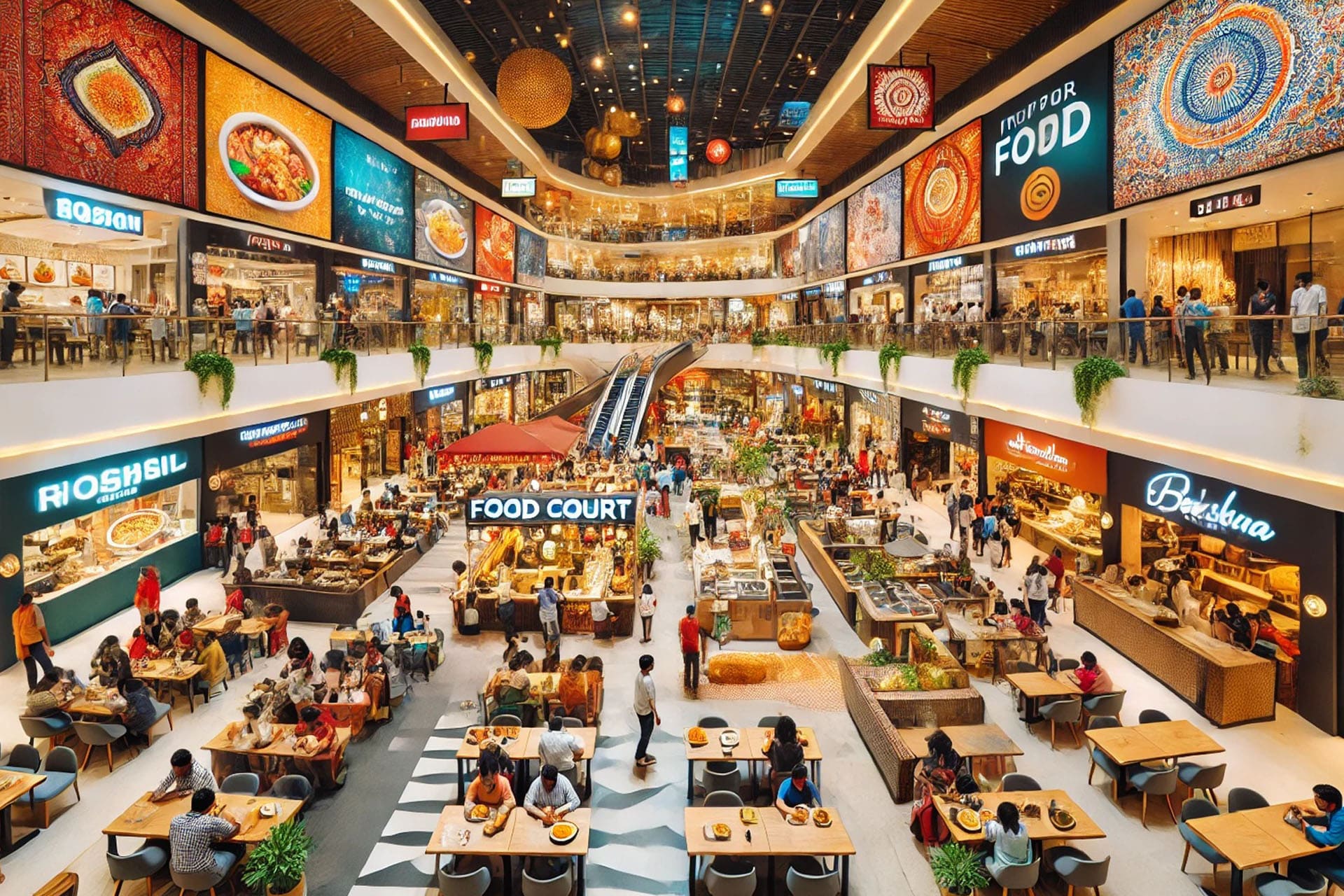
Food Court Investment in Delhi NCR
Food court investment in Delhi NCR has become a serious discussion point among mid-budget commercial investors. With ticket sizes starting lower than retail shops and leasing demand from food brands remaining active, many buyers see this segment as a practical entry into commercial real estate.
But before investing, it’s important to understand three things clearly:
- How rental potential actually works
- What risks most investors ignore
- What determines long-term ROI in this segment
Why Food Court Units Are Gaining Attention in NCR
Delhi NCR especially Noida, Greater Noida West, Gurgaon and Dwarka Expressway has seen rapid mixed-use commercial development. These projects combine retail, offices, entertainment zones and food courts under one ecosystem.
Consumer behavior has shifted. Malls and commercial hubs are no longer just shopping destinations they are experience spaces. Dining and entertainment drive repeat visits.
Food courts benefit from:
- High dwell time
- Cross-footfall from offices and multiplexes
- Daily consumption demand (unlike fashion retail)
Because food is a recurring need, food court units often see more consistent activity compared to non-essential retail categories.
Entry Cost: Why Mid-Budget Investors Prefer This Segment
One of the main reasons food court investment in Delhi NCR is gaining traction is its practical entry point. While large retail shops often require ₹1 to 2 crore and office floors demand even higher capital, food court units usually range from ₹50 to 70 lakhs for small unlockable spaces and ₹1 to 1.25 crore in premium projects.
With sizes between 50 and 500 sq. ft., they offer strategic placement in high-footfall zones without the burden of heavy upfront investment.
For first-time commercial buyers and NRIs, this makes entry into income-generating NCR real estate far more manageable and structured.
Understanding Rental Potential in Food Court Investment
In established NCR projects, food court investment generally offers rental returns in the range commonly seen between mid to high single digits annually, depending on:
- Location strength
- Developer leasing capability
- Tenant profile
- Lease agreement structure
For example:
If an investor invest ₹50 lakhs and the project performs as expected, annual rental income may translate into a structured monthly cash flow that aligns with commercial yield benchmarks in NCR.
However, rental performance depends heavily on the lease structure of the unit whether it is pre-leased to a confirmed tenant, offered under a fixed rental agreement, or structured on a revenue-sharing model.
Each format carries different levels of income visibility and risk, so investors must carefully review the agreement terms, lock-in period, escalation clauses, and payment conditions before committing.
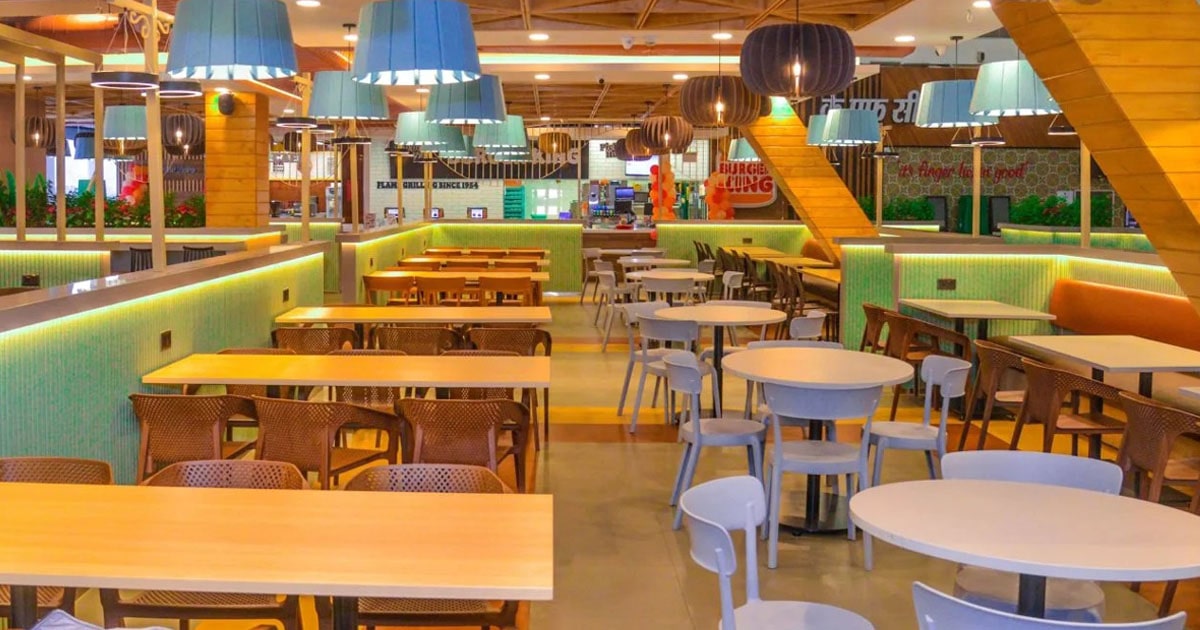
Tenant Strength: The Backbone of ROI
Food court zones in Delhi NCR typically attract:
- Quick Service Restaurant (QSR) chains
- Regional food brands
- Café operators
- Established F&B franchises
Brands such as Domino’s, Haldiram’s, Barista, Wow! Momo, Chaayos and similar operators actively expand in high-footfall corridors.
These tenants typically invest heavily in kitchen equipment and interior setup, prefer multi-year lease agreements, and avoid frequent relocation due to the operational costs involved, which significantly reduces short-term vacancy risk for investors.
However, it is important to remember that brand presence ultimately depends on the overall success and footfall of the project, not just the availability of individual units.
What Truly Drives ROI in Food Court Investment
Long-term ROI in food court units depends on five practical factors:
Location Catchment
- Residential density, office population and connectivity directly affect footfall
Project Design & Zoning
- Well-planned food court layouts with visibility and seating capacity perform better
Developer Leasing Capability
- A developer’s ability to attract and retain quality tenants is crucial
Commercial Ecosystem Stability
- If the overall mall or commercial hub under performs, F&B sales decline
Lease Structure Transparency
- Clear rental agreements matter more than promised returns
ROI is not driven by marketing brochures it is driven by sustained footfall and tenant performance.
Hidden Risks Most Investors Overlook
Food court investment in Delhi NCR also carries specific risks.
Non-Lockable Format
- Mostly units are non-lockable. Owners cannot independently control usage or tenant selection
Revenue Share Agreements
- Some projects operate on revenue-sharing models instead of fixed rentals
Project Delay or Under Performance
- If overall commercial occupancy is weak, tenant business suffers
Over-Supply in Certain Corridors
- Micro-market saturation can impact resale liquidity
A food court unit works best inside a strong, fully functional commercial ecosystem.
Liquidity and Resale Scope
Because ticket sizes are lower, resale demand can be broader compared to large-format retail units.
In developing corridors like:
- Greater Noida West
- Dwarka Expressway
- Sector 72 Noida
- Sector 32 Noida
- Golf Course Extension Road Gurgaon
Liquidity improves when:
- Rental performance is stable
- Tenant profile is strong
- The project achieves good occupancy
Resale value ultimately follows performance not just initial pricing.
Notable Food Court Investment Projects in Delhi NCR
Several mixed-use commercial projects in NCR have positioned food court units as structured investment options, including:
- The Omaxe State, Dwarka
- M3M The Line, Sector 72 Noida
- The Delhi Mall, West Delhi
- Group 108 Grandthum, Greater Noida West
- Bhutani City Center 32, Sector 32 Noida
- IRIS Broadway, Gurgaon
- Aarize The Tessoro, Dwarka Expressway
Each project must be evaluated individually based on leasing strength and location fundamentals.
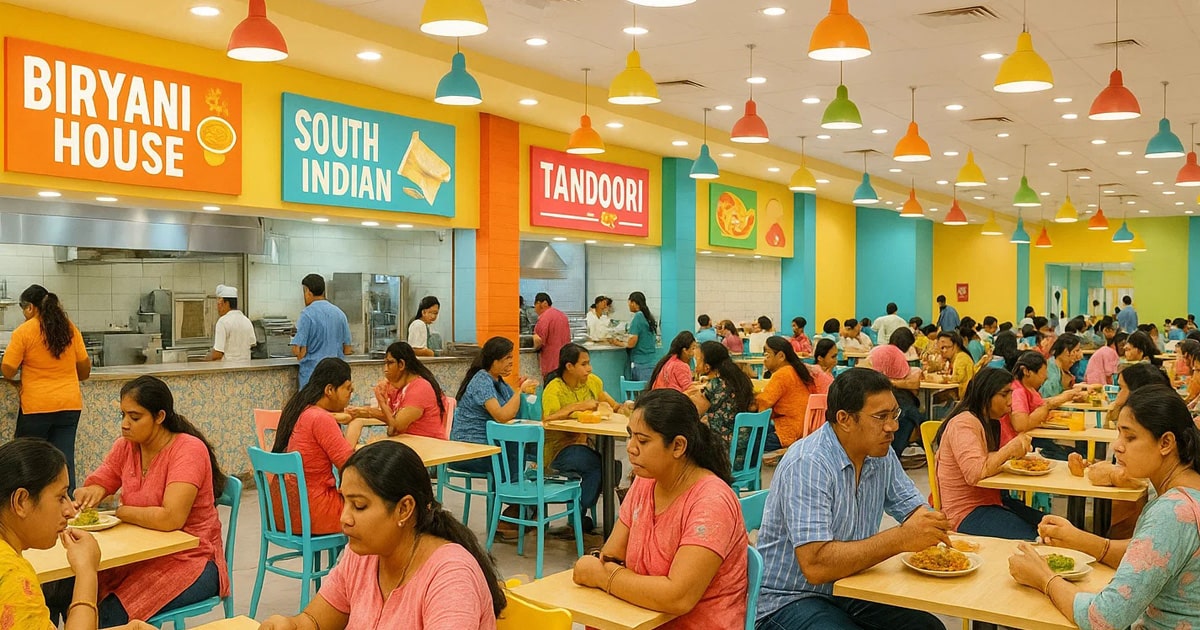
Who Should Consider Food Court Investment in Delhi NCR?
This segment may suit investors who:
- Have ₹50 – 70 lakh budget
- Prefer long term rental income
- Want lower capital exposure in commercial property
- Are comfortable with developer-managed leasing
It may not suit investors who:
- Want full operational control
- Prefer independent lockable retail shops
- Are uncomfortable with shared commercial formats
Know More Before You Invest – Connect Now!
Final Thoughts
Food court investment in Delhi NCR is not a shortcut to guaranteed returns. It is a mid-ticket commercial asset class that can deliver long term rental potential when supported by strong location fundamentals and credible leasing management.
The key is not just buying a unit. The key is choosing the right project, understanding risks, and evaluating long-term sustainability. If selected carefully, food court units can become a steady income-generating component within a diversified commercial portfolio.
If you’re considering investing in food court property in Delhi NCR and want clear guidance on rental potential, risks, and the right projects, feel free to connect with me.
I help investors evaluate location strength, leasing structure, and long-term ROI so you can make an informed and confident decision. Call +91 9811741277.
Still confused about a real estate investment decision?
Call +91 9811741277
or email hello@vikasjoshi.in
Read: Top Commercial Projects in Delhi NCR for Investment
Frequently Asked Questions (FAQs) – Food Court Investment in Delhi NCR
Is food court investment in Delhi NCR profitable?
Food court investment in Delhi NCR can be profitable if the project has strong footfall, stable tenants, and a clear lease structure. However, returns ultimately depend on location strength, occupancy levels, and the specific leasing terms.
What is the minimum investment required for food court investment in Delhi NCR?
Food court units in Delhi NCR typically start from ₹50–70 lakhs, while premium projects may range between ₹1–1.25 crore depending on location and developer. Compared to retail shops, they offer a relatively lower entry point, making them appealing for mid-budget investors seeking rental income.
What are the risks of food court investment in Delhi NCR?
Key risks in food court investment in Delhi NCR include non-lockable format, footfall dependency, revenue-share leases, and overall project under performance. If the commercial hub lacks strong occupancy, rental stability can be directly impacted.
How is food court investment different from retail shop investment?
Food court investment involves smaller, developer-managed units leased to food brands, requiring lower capital but relying on shared footfall. Retail shops offer independent control but need higher investment and may face greater vacancy risk depending on location.
What factors drive ROI in food court investment in Delhi NCR?
ROI in food court investment in Delhi NCR depends on location strength, tenant quality, lease structure, and consistent footfall. Projects near offices, residential hubs, and metro connectivity tend to deliver more stable rental performance.
3 Comments
Pingback: Rental Property in India: Build Wealth With Rental Income
Pingback: The Omaxe State Dwarka Review | Delhi’s 1st 5-in-1 destination
Pingback: Review: Bhutani City Center 32 Noida